2026 cybersecurity predictions you should know about

Cybersecurity is no longer a back-office concern, it’s a daily necessity embedded in how we live, work, communicate, and trust information. In 2026, the most disruptive threats won’t just come from nation-state actors or elite hackers. Instead, we’ll see the convergence of human behavior, AI misuse, and legacy habits that no longer fit our hyper-connected digital world.
As leaders in offensive cybersecurity, we’ve compiled our top predictions for the year ahead, so you can stay proactive.

1. Deepfakes will blur reality, and bypass identity systems
In 2026, spotting AI-generated content with the human eye will be almost impossible. Deepfake video and audio will be used not just in misinformation campaigns, but to bypass voice-based authentication, spoof executives, and approve fraudulent transactions.
📌 At AcaciaSec, we’ve already simulated deepfake-based phishing attacks during our Red Team engagements, exposing how easily organizations can be manipulated.
What you can do:
• Adopt multi-channel verification for financial and high-risk actions
• Harden identity systems with biometric spoof detection and behavioral signals
• Educate employees on the limits of visual/audio trust
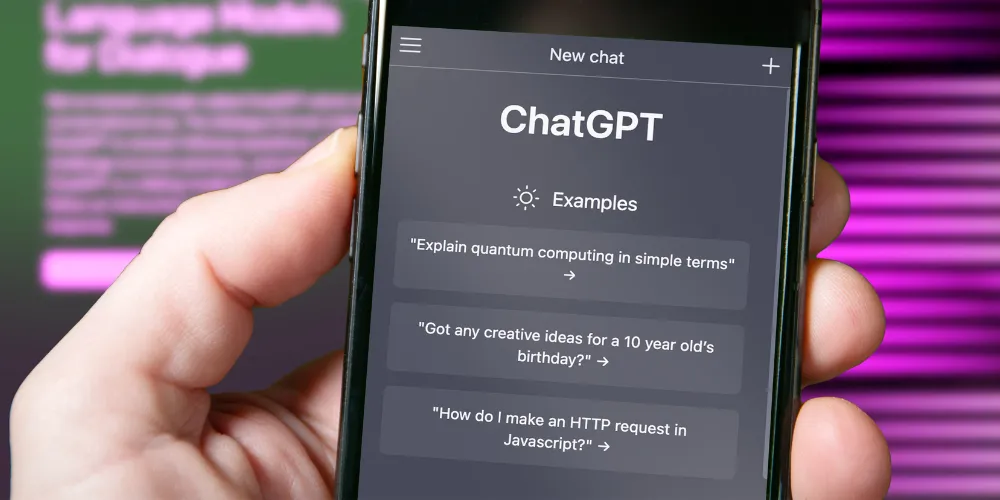
2. Accidental data leaks will rise with untrained AI use
As AI tools become as common as email, employees are pasting sensitive data into prompts without realizing it—client info, credentials, internal documentation. Without security-aware AI governance, companies will leak critical data voluntarily.
📌 Our security assessments now include LLM misuse simulation and AI supply chain audits, identifying weak points in prompt handling and model integration.
How to respond:
- Implement internal policies on AI use and sensitive data handling
- Secure LLM endpoints and integrate AI-specific threat modeling
- Train employees not just on what AI can do—but how to use it safely
3. Cybercrime will feel routine, especially for younger generations
Gen Z and millennials already face phishing, scams, and fraud daily—on dating apps, job sites, social media, and messaging platforms. In 2026, these attacks will be more immersive, more personalized, and emotionally manipulative, often generated by AI.
📌 During our social engineering simulations, we’ve seen how quickly trust can be broken when attacks mimic real-life context.
Recommended strategy:
- Provide behavior-based security training tailored to daily platforms
- Include real-world phishing examples, especially mobile-first
- Treat cyber hygiene as a life skill—not just a compliance box
4. Passwords are melting away—finally
Credential theft remains one of the top attack vectors. In 2026, we expect a major shift toward passkeys and passwordless authentication, making logins both safer and more seamless.
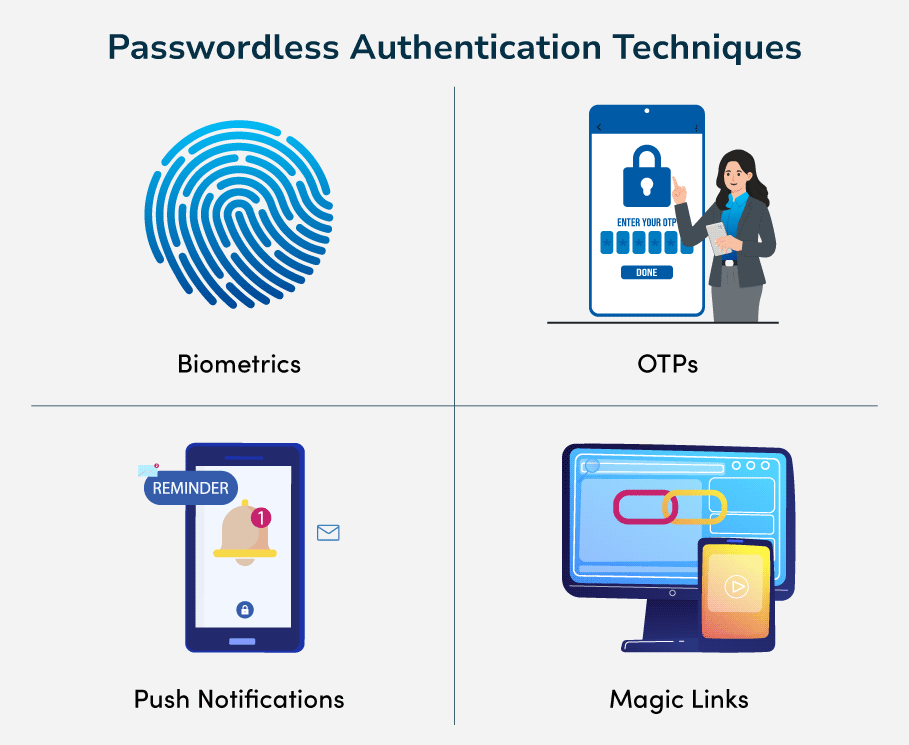
📌 In our offensive operations, password reuse and credential stuffing still succeed far too often. Strong authentication isn’t just recommended, it’s required.
Action items:
- Migrate internal systems to passwordless or biometric-based logins
- Retire legacy authentication methods where possible
- Educate users on safer, simpler alternatives like passkeys
5. Breaches will still come from basic mistakes
Despite AI-powered attacks, many breaches in 2026 will stem from unpatched systems, weak passwords, skipped MFA, or clicking the wrong link. The basics remain undefeated.
📌 Our penetration tests repeatedly show that misconfigurations and human errors are still the fastest way in.
Back to basics:
- Patch everything.
- Enforce MFA everywhere, especially for privileged accounts
- Run regular security awareness refreshers.
Final thoughts: Security in 2026 is about resilience, not perfection
The cybersecurity battlefield in 2026 is dynamic, AI-driven, and deeply human. But the winning formula stays the same: awareness, verification, and offensive preparedness.
At AcaciaSec, we help organizations stay ahead of evolving threats with:
• Red Team exercises: to test real-world readiness
• Adversary emulation: to simulate modern attack patterns
• Strategic consulting to align with Secure-by-Design mandates and AI governance trends
Don’t wait for a breach to find your weak spots.
👉 Get in touch with our team and build your 2026-ready security strategy today.